
Las Vegas, NV (June 17, 2026)—Few terms conjure up more fear and curiosity today than “AI.” Early adaptors proclaim it to be the answer for everything, while non-users see it as an inevitability that is coldly coming for their jobs. At the “Human Oversight and Validation in AI-Enabled AV Projects” lecture presented as part of Tuesday’s AVIXA AI Accelerator series, those topics had to be addressed upfront in order to clear the way for the presentation’s real discussion: ways to implement human checkpoints—and accountability—when working with AI‑generated materials on AV design and installation projects.
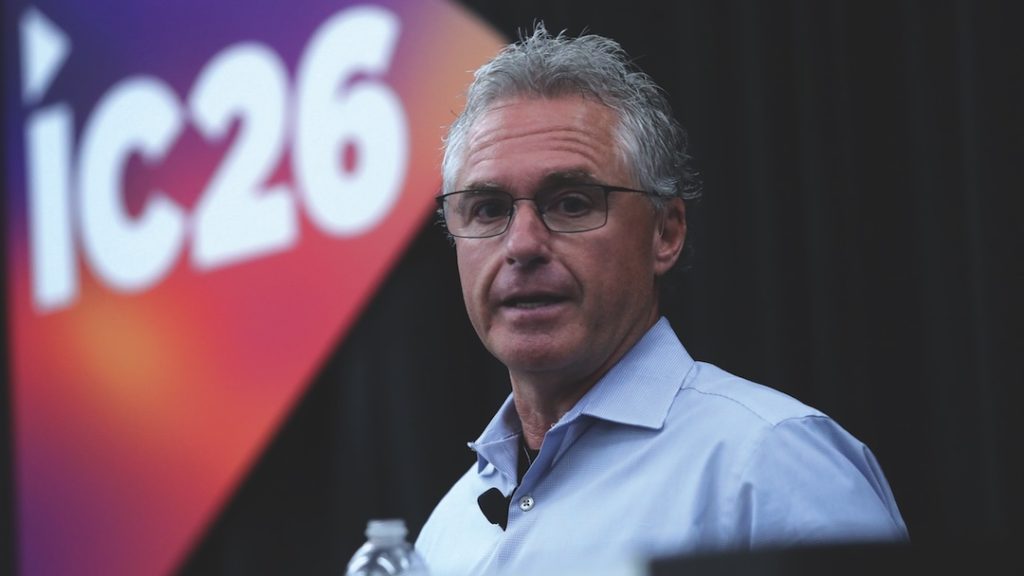
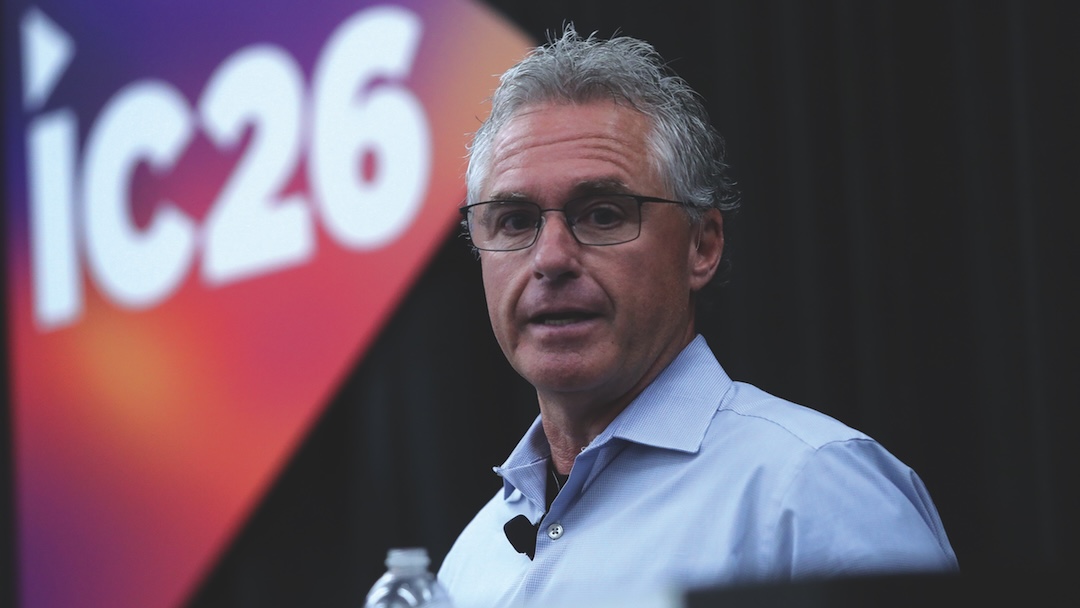
Presenter Bill Fons, president, AI Initiatives / regional vice president, Midwest – CTI, began by acknowledging industry experts’ reluctance to use AI even when it’s in their best interests to do so. He recalled a similar watershed moment, when director Steven Spielberg was filming 1993’s Jurassic Park. The auteur decided mid-production to create dinosaurs with fledgling computer graphics technology, rather than traditional stop-motion animation. While some longtime special effects pros on the film reluctantly began working with CGI and went on to greater career success, others pushed back and some even quit the film industry rather than change. Fons’ takeaway, then, was “Maybe it’s better to become an expert in the outcome rather than an expert in the technique…. I think those experts of the task or the technique can translate into the experts of AI, or whatever technology we’re going to be using.”
Turning the discussion to the AV world, Fons shared where AI is making inroads—meeting assistance, transcription, room & space analytics and monitoring—and how humans unequivocally must hold the reins in order for those AI tools to be applied safely and intelligently.
• Get Mix/Pro Sound News’ “Festival Sound 2026” eBook Free!
Noting that “AI doesn’t check its own homework,” much of Fons’ discussion focused on factchecking, approving, vouching and implementing systems of accountability to ensure that AI-created materials—designs, drawings, proposals, programming and more—are scrutinized by human experts before they are signed off on and presented to a client.
“An unchecked AI deliverable isn’t a time-saver; it’s a liability with your logo on it,” he said, sharing different methods of validation. Options include using “Golden Sets” to test AI-conjured material against past projects; cross-checking with a second AI model; shadowing AI with human notes until an AI’s analysis becomes reliable; re-testing after every update; and tracking over time how and why AI fails.
• Subscribe to Mix magazine and our daily Smartbrief newsletter for free!
Having pros provide oversight to AI, using their expertise to understand and approve its results, will in turn build trust over time and drive AI adoption, meeting client needs while also answering worker concerns, Fons concluded.