
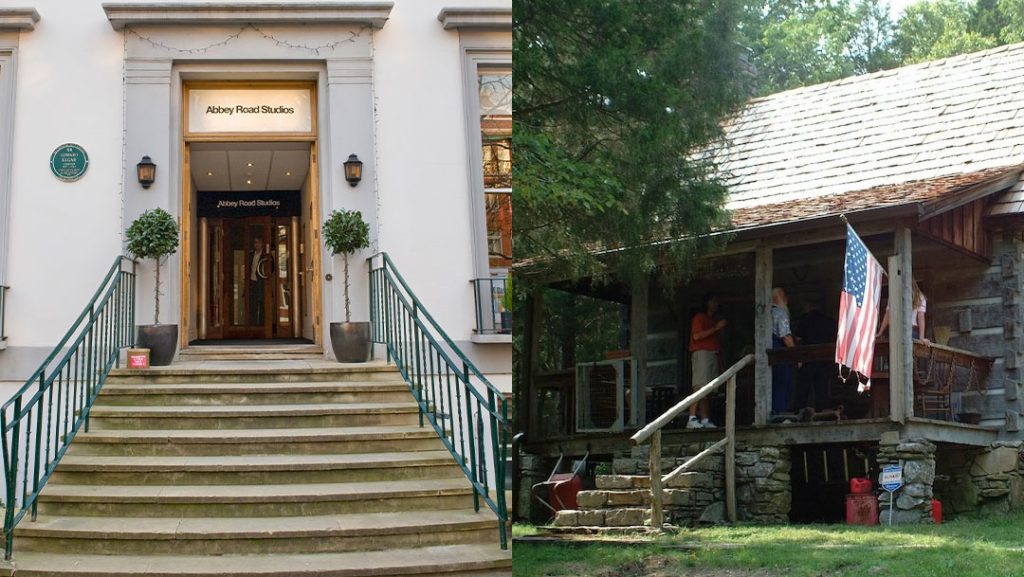
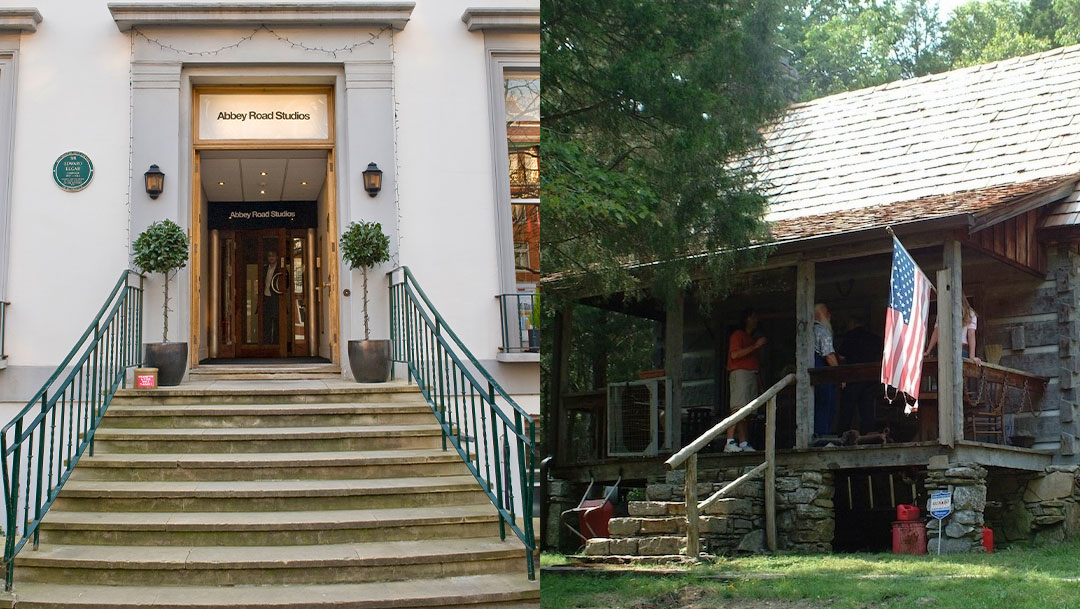
Do you remember the first time you walked into a studio? What stands out in your mind about it now? The people, the instruments, the cables everywhere? Maybe you can still smell it—crisp HVAC in an equally crisp control room, or flop sweat in a humid, barely acoustically treated basement. Whatever that studio was like, I bet you remember the vibe.
Me, I remember the vibe of the first studio I visited—it was welcoming but professional, and I was both blown away and petrified to be there. I was 19 and long story short, I had fast-talked my way into Abbey Road Studios.
For years, I’d read trumped-up accounts that portrayed the legendary London facility as a mythic temple of creative alchemy, where the very essence of divine musical brilliance was snared against its will from the ether, to be captured and dispensed to a grateful world. Well, Abbey Road is a renowned studio for many reasons, but as they showed me around, it dawned on me that the facility was actually a workplace—albeit one that had to do with music I loved. Now what I mainly remember all these years later are the vibes I felt there.
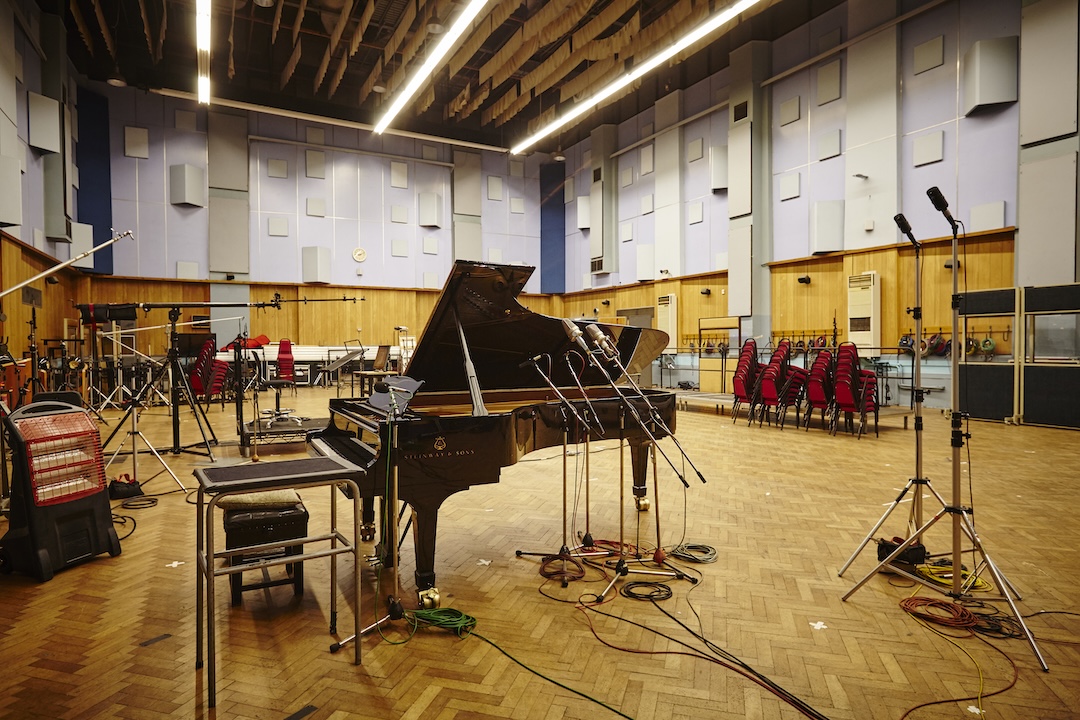
Studio One, not booked that day, looked serious and intimidating, as might be expected of the largest film scoring space in the world. A room big enough to hold a 100-piece orchestra and 100-piece choir simultaneously is a room where a lot of money gets spent, so empty or not, there was an air of urgency in it.
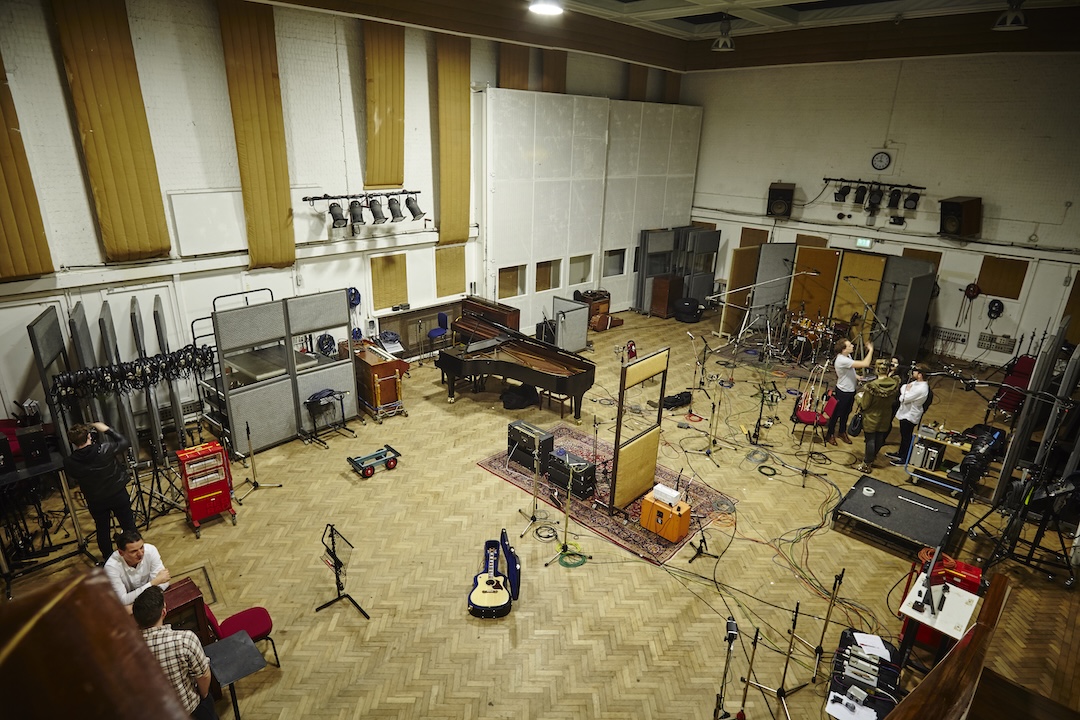
Meanwhile, Studio Two, where the Beatles recorded most of their oeuvre, was hosting Britpop pioneers The House of Love at the time. If the live room looked antiseptic and uptight in all those Fab Four documentaries I’d seen, it was a different story that day as The House of Love had brought in colorful lights to splay across the walls, turning the room into a giant psychedelic pinwheel. Between the history and the visuals, it had vibe for days.
Vibe is such a crucial, underrated part of a creative environment. Regardless of whether a studio is Abbey Road or just a bedroom with a laptop, vibe can make or break the work that happens there. Enter a recording space that matches your mindset and the creative sparks start flying; try to work in a studio where the ambiance doesn’t feel right, and it’ll kill good ideas before you even try them.
Of course, creating a space that inspires but also encourages productivity is a real balancing act. Often the key ingredient is people, but it can be décor, lighting, location, food (especially food) or any of a thousand other elements. And the thing about vibe is, you either have it or you don’t. You can spend millions amassing the best recording equipment ever made if you want, but you can’t buy vibe.
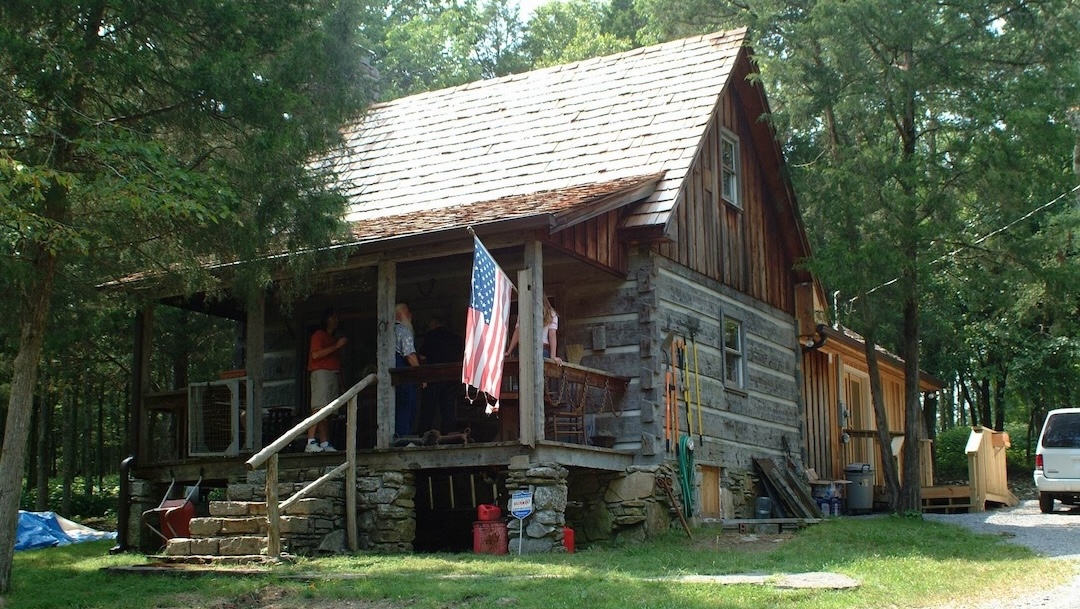
I was thinking about studio vibe today while I watched an online video that followed producer/musician John Carter Cash around the Cash Cabin Studio—a roughhewn lodge that his father, country music legend Johnny Cash, built on the family’s Hendersonville, Tenn. estate in the 1970s. Over time, the building became the family studio, and the elder Cash recorded many of his later tracks there.
This won’t come as a surprise, but the place has vibe like a dumptruck has dirt. Equal parts studio, crash pad and family museum, the building is jammed with instruments and artifacts that illustrate the journeys of both father and son.
In the video, the younger Cash leads viewers through the live room, where he discusses the drum sound obtained by the vaulted ceiling. He brings you into a sizable vocal booth called The Fish Room, so named due to the many trophy fish on its walls. Elsewhere, there’s a mantlepiece signed by visitors like Eddie Arnold, Snoop Dogg, Jimmy Page and Taylor Swift, to name only a few. Nearby hangs framed instructions jotted down by the elder Cash to his then 10-year-old son about how to play “I Walk the Line.” High above, there’s details like a stained-glass window that Marty Stuart gave them. The music history runs deep in the cabin.
Discover more great stories—get a free Mix SmartBrief subscription!
Inside the Console Room, Carter Cash shares the histories of a beloved threadbare sofa, a set of custom boomerangs (turns out the Man in Black was a champion boomerang thrower), his father’s oak rocking chair, his own Grammy Awards and more. While the video never explores the Cabin’s studio hardware, familiar gear can be spotted from afar, and it all makes for a beguiling clash of art, serendipity and technology. “There’s really no science in the way that we laid this place out,” Carter Cash jokes. “I mean, it’s eclectic—it basically looks like the interior of my mind.”
What the video really drives home are the non-technical qualities that must make the Cash Cabin an interesting place to make music, highlighting how history, insight and creativity have marinated there over the course of decades. Watching the leisurely paced video, it feels like you’re hanging out in the cabin, and when the clip is finally over, you don’t really want to leave—even though you were never actually there. Now that is a testament to vibe.
—Clive Young, co-editor