
Don’t Miss Part One and Part Two!
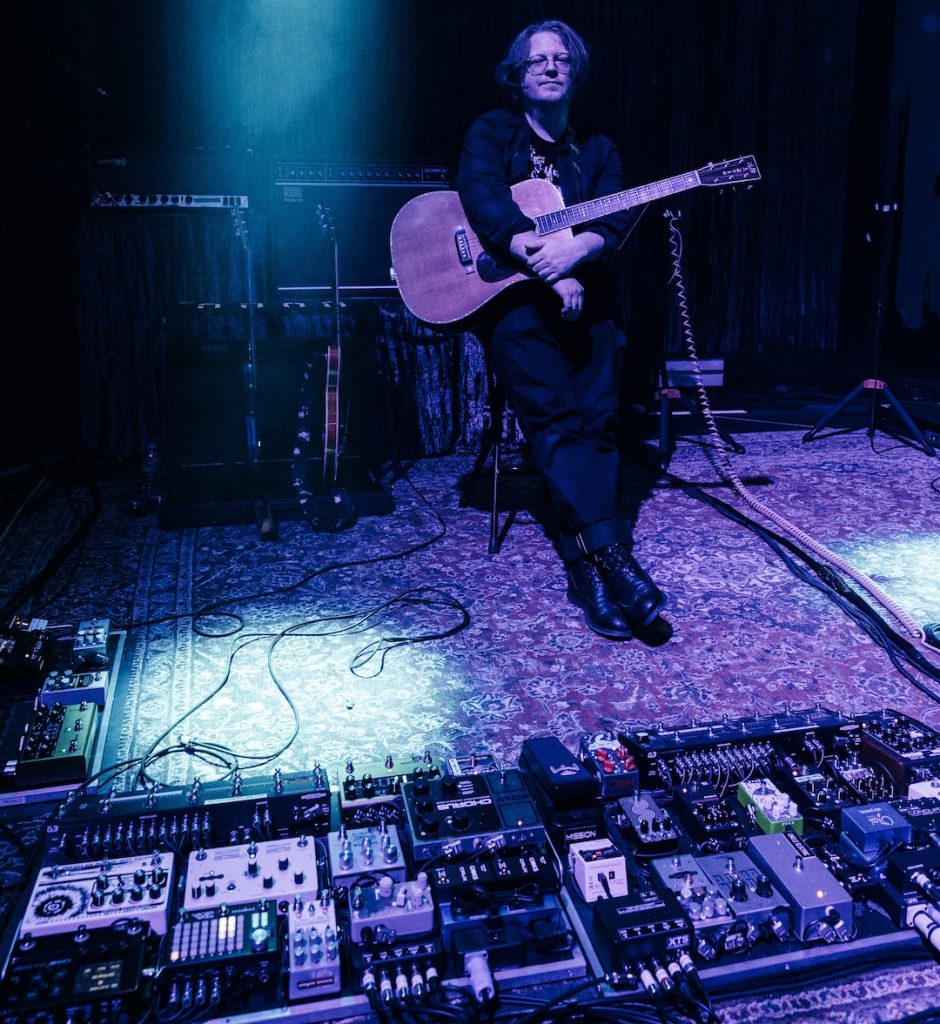
Producer Patrick Hyland doesn’t use a mixing console while tracking, opting to sculpt the sound through a variety of outboard mic preamps and processing instead. “Most of my favorite albums were recorded at least 30 years ago, often 50 or 60 years ago, so I tend to gravitate toward that type of gear, but I try not to be a sycophant about it. I’ve amassed a good amount of rack gear. I don’t have tons of vintage stuff, but I have a lot of stuff that adheres to some kind of vintage aesthetic. I’m really fond of the Dave Hill Designs—the Europa preamp and the Titan compressor; I use those quite a bit. The Chandler EMI stuff is great, and I use the Neve-leaning BAE stuff a lot.”
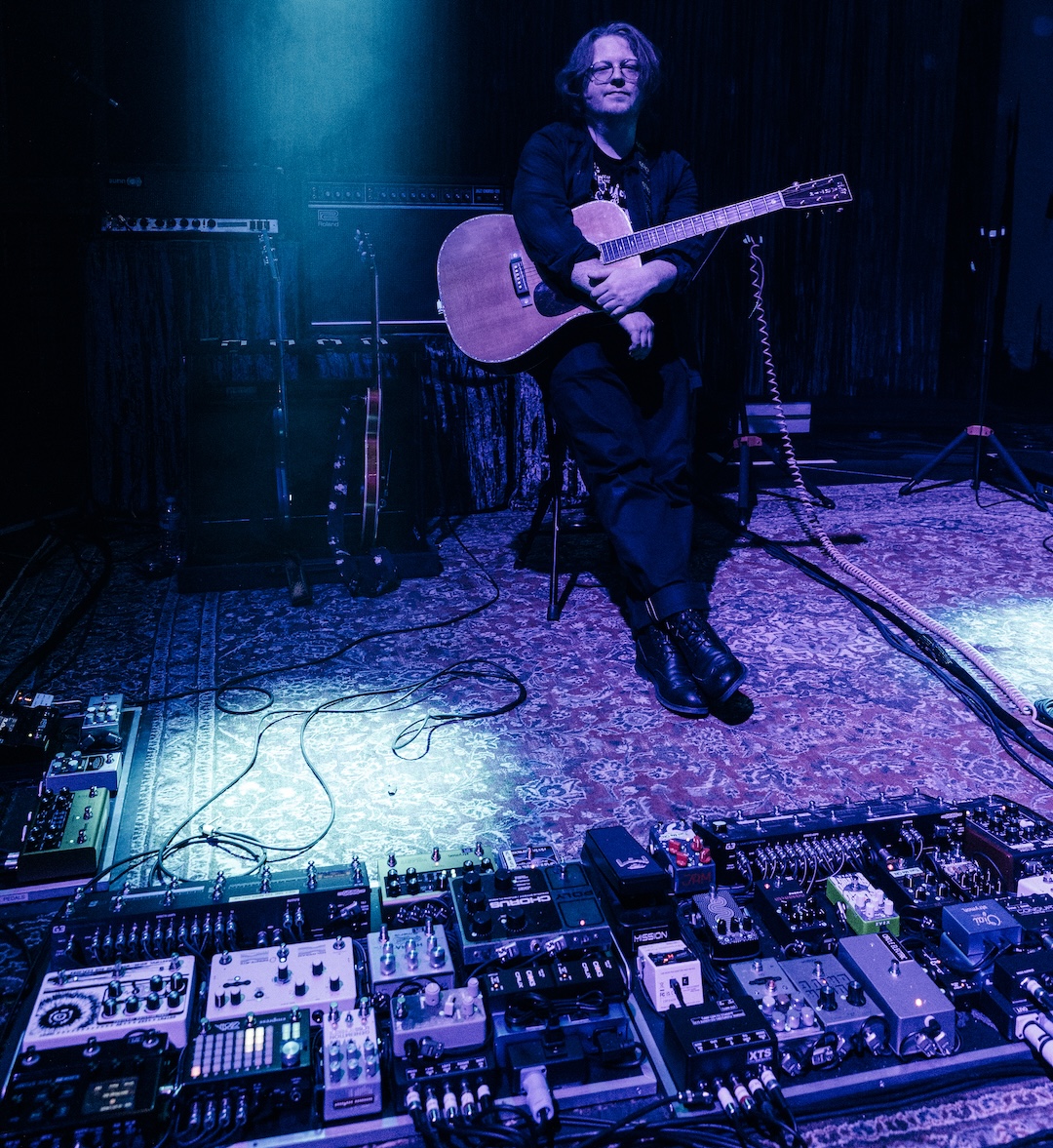
His aesthetic is a reflection of some of the music that inspires his work. “I love Rudy Van Gelder and Joe Meek,” who are both well known for having made records in their homes, like Hyland. “I love the Scott Walker records that he did at the BBC with [composer/arranger] Angela Morley. Those are some of my favorites. Then there’s the stuff that everybody loves: Motown, Stax. Guided by Voices has been one of my favorite bands since I was a teenager. I’ve always liked the little accidents, the little imperfections, that make them cool and compelling. But if I had to pick a favorite band, it would probably be the Velvet Underground.”
Mitski’s vocal delivery is typically well controlled, but sometimes she does let rip. “Which is occasionally problematic at my end,” Hyland admits. “Sometimes I try to be clever about it and put up two mics— one gain up, one gain down—but it never seems to do what you think it’s going to do. The cleverer you think you’re being, the less interesting the results are.”
And yet, because of the quality of the gear in his vocal chain, he’s happy for it to be pushed to its limit. “I learned from doing our previous records, that if I take the time to do the gain staging right and I don’t let it clip, I’m going to wind up putting Decapitator on it when I mix it anyway, so I just let it happen.”
L.A. OVERDUBS, NASHVILLE MIX
Hyland and Mitski flew to L.A. to attend the overdub sessions at Sunset Sound’s Studio B, and Drew Erikson’s room at TTG Studios. Hyland left the engineering to Michael Harris, who regularly works with Erikson, an orchestrator and arranger known for his collaborations with Lana Del Rey and Father John Misty.
“Michael’s just a brilliant engineer,” Hyland says. “They have their own way of doing things that is really quick. They know what they like, and they know what each other likes. That’s important when you’re working with union players who have very strict rules about hours, as opposed to when I’m by myself in my own house and it doesn’t matter if days pass!”
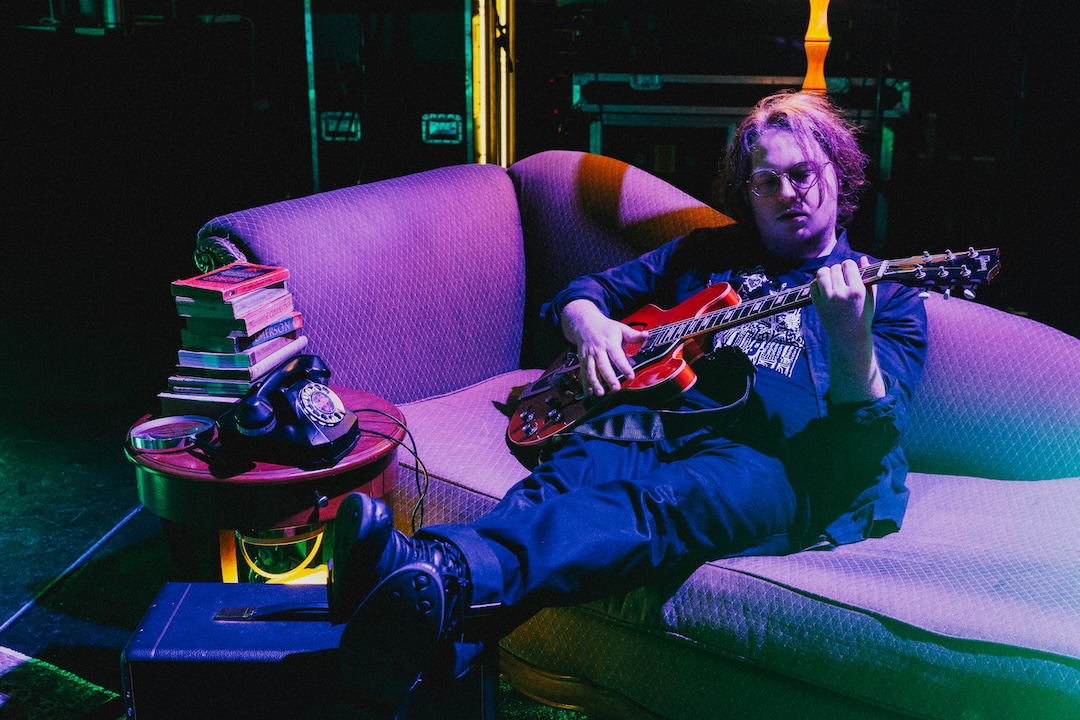
Mitski never attends the mix sessions, as Hyland’s pace does tend to be slow and deliberate. “I do a lot of tinkering and trial and error,” he says. “Then she’ll give me notes.”
He used a mix of outboard processing and plug-ins on the new record, which was the second Mitski album on which he used analog summing. To maintain quality, he says, he kept the number of conversion loops to a minimum. “Obviously, there’s the one on the way in when you document, and then another going out to the summing mixer and then coming back in from that. I try to do my processing in that loop rather than going through a compressor, printing it, then another going out to the summing mixer.”
For mix processing, he leaned on a blend of vintage and modern gear, lo-fi and hi-fi, as well as plug-ins, mainly from Sound Toys and Acustica Audio.
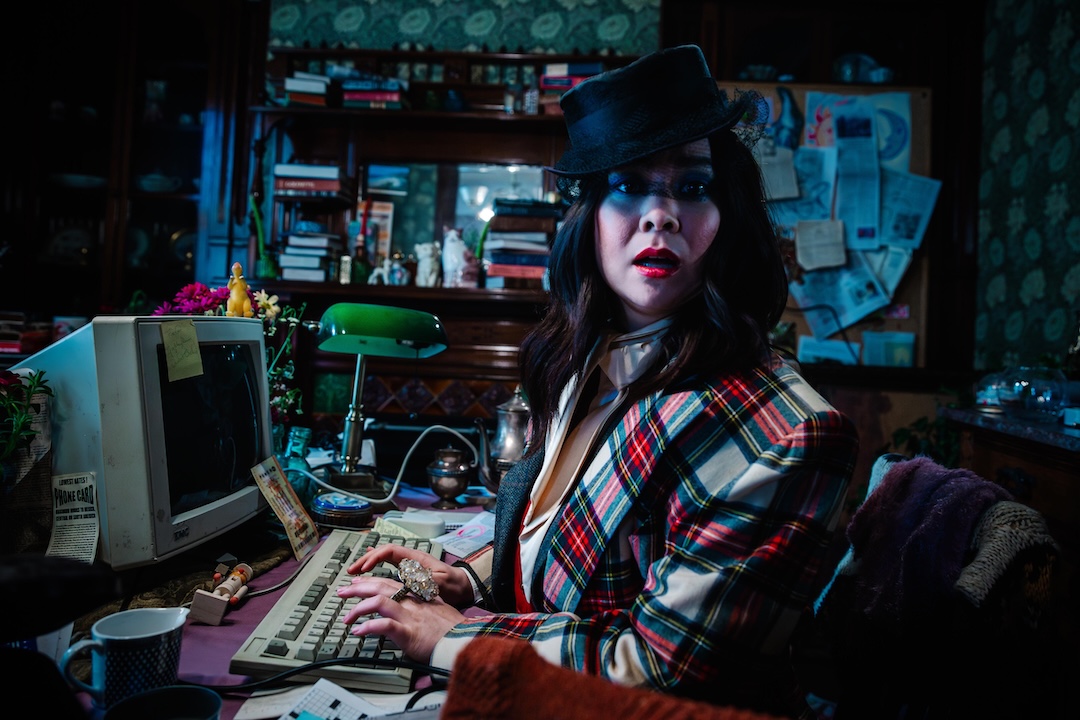
“One of the most esoteric things I own that I bought when we were making this record is a Cooper Time Cube,” he says. “I’m also really into spring reverbs. I have three or four that I use a lot, including an old Tapco. I’ve got these early ’60s Supro tube spring reverb units that I used a lot. I also have a Roland Space Echo, and I’ll use guitar pedals sometimes. And I have a Bricasti M7.”
Discover more great stories—get a free Mix SmartBrief subscription!
On some of the songs, certain sounds continue beyond the end of the track. “I don’t want it to seem like an affectation,” Hyland explains, “but some sounds are just irresistible to me, and I couldn’t live the rest of my days knowing that some crazy little feedback loop wasn’t documented and no one’s ever going to hear it.”